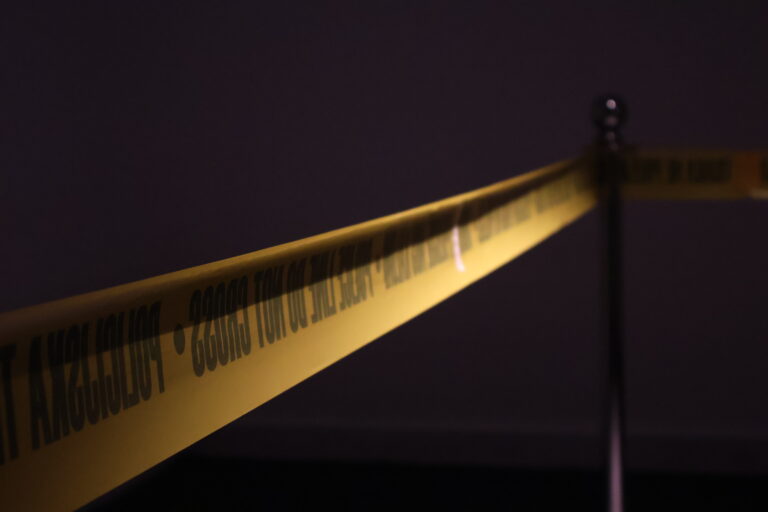
WHO KILLED THE PAINTING? – DRITON HAJREDINI
Driton Hajredini’s installation Who Killed the Painting? (2003) is a thought-provoking work that examines the changing nature of art and its reception in contemporary society. The piece was part of the Sammlung Block collection, underlining its significance within the wider contemporary art context.
Born in Prishtina, Kosovo, in 1970, Hajredini has developed a diverse artistic practice encompassing painting, video, installation, photography and film. His work frequently engages with themes of borders, refugees, migration, war and isolation. He is also known for a satirical approach that often references or reworks internationally recognised artworks, reflecting a critical attitude towards the conventions of the art world.
In Who Killed the Painting?, Hajredini examines shifting paradigms of artistic expression, questioning the relevance and position of traditional painting in an era increasingly shaped by new media and conceptual forms of art. The installation invites viewers to consider the possibility of the “death” of painting as a medium and to reflect on the forces behind its perceived decline or transformation.
Although detailed information about the individual components of the installation is limited, its title and context suggest a critical examination of the dynamics of the art world, potentially addressing issues such as commercialisation, technological change and shifting audience perceptions. Hajredini’s work opens a broader discussion about the value and evolution of artistic media within contemporary culture.
Through Who Killed the Painting?, Hajredini invites audiences to reflect on the trajectory of art itself, challenging established ideas about the hierarchy and vitality of different artistic forms in the modern era.
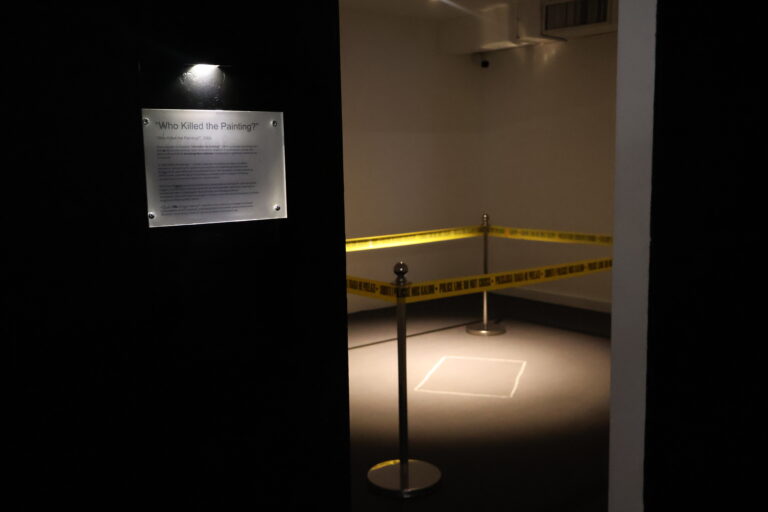
WHO KILLED THE PAINTING? – DRITON HAJREDINI
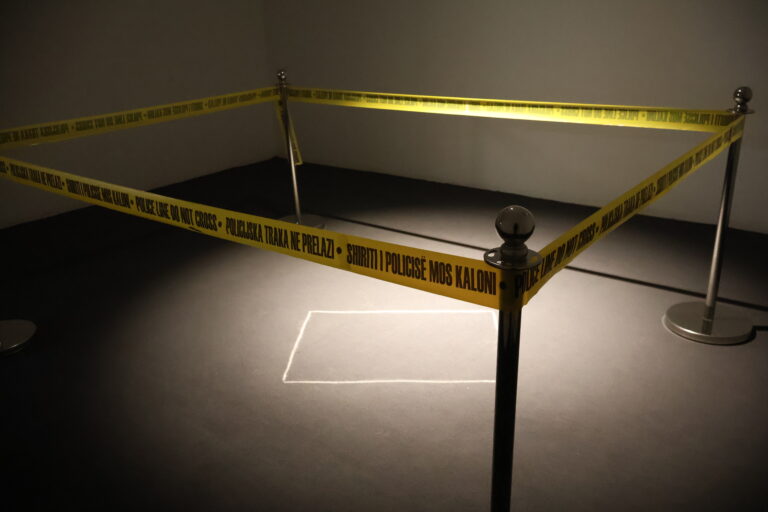
WHO KILLED THE PAINTING? – DRITON HAJREDINI