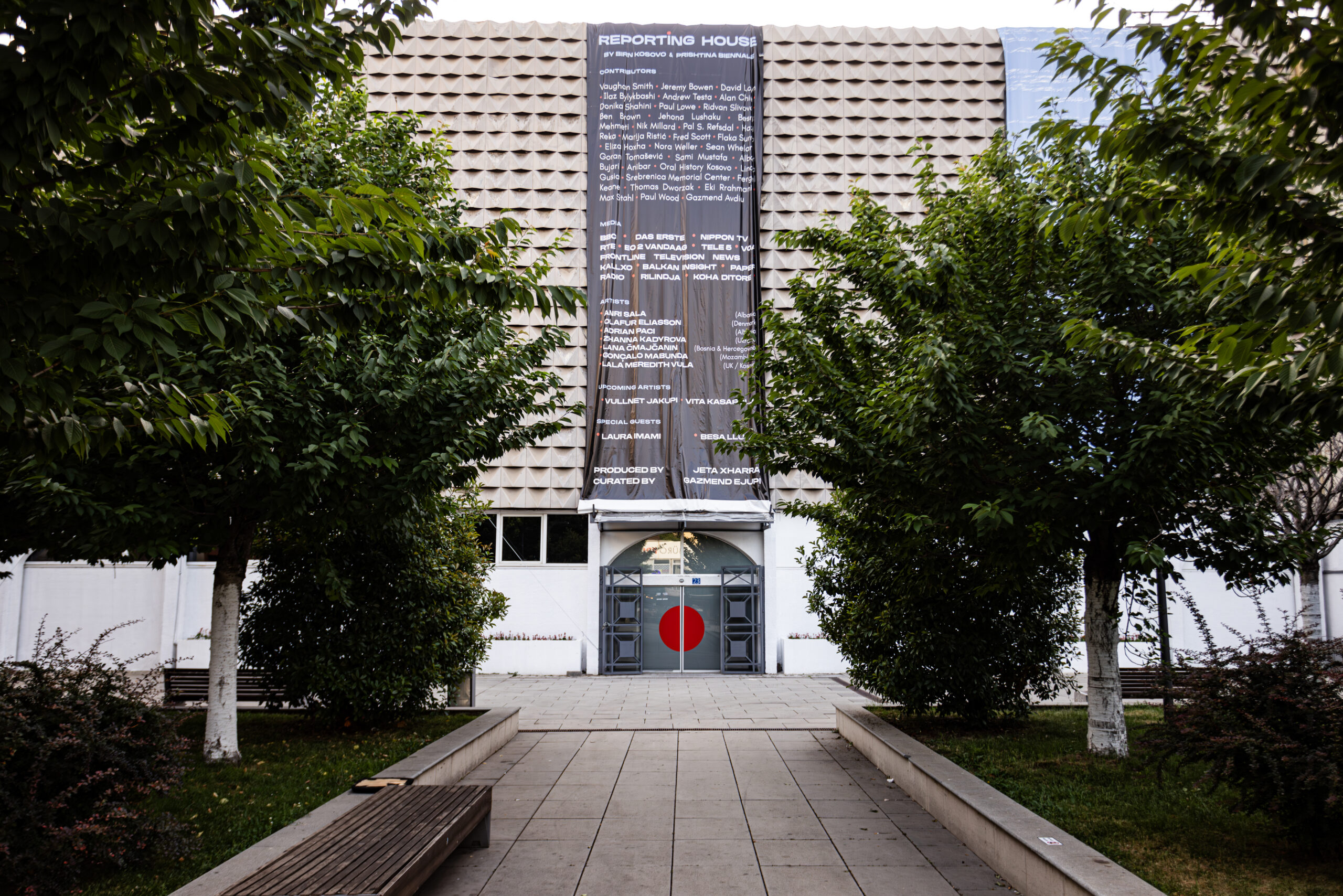
Reporting House has been accepted as a member of the Network of European Museum Organisations (NEMO).
In a public announcement welcoming its new member, NEMO wrote that Reporting House marks 25 years since the end of the war in Kosovo and offers both local and international visitors an in-depth look at what it describes as the last European war of the 20th century.
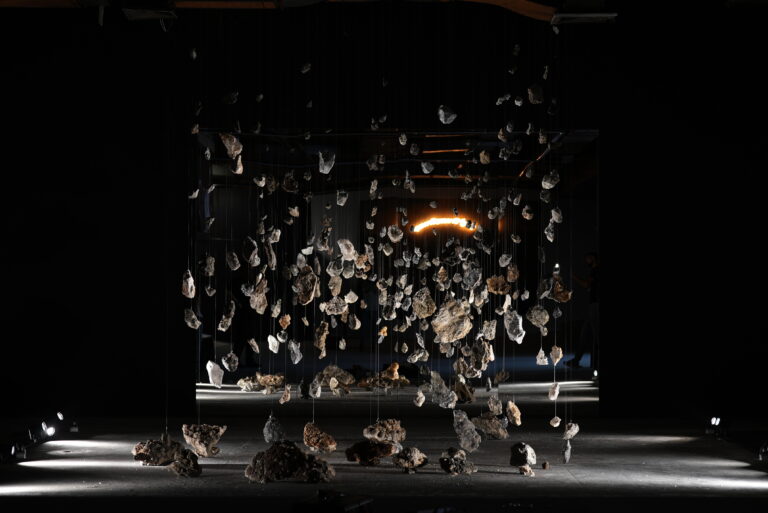
NEMO notes that the exhibition, presented by BIRN Kosovo and Prishtina Biennale, brings together journalism, photography and media artefacts from the 1990s alongside contemporary artworks reflecting on the long-term impact of the war.
According to the network, visitors are guided through Kosovo’s recent history, from peaceful resistance and the emergence of the Kosovo Liberation Army, through the 1998–99 war and NATO’s bombing campaign, to Kosovo’s eventual declaration of independence.
“Founded by journalist Jeta Xharra and curated by artist Gazmend Ejupi, Reporting House highlights the essential role of the media in shaping historical memory and invites continued collaboration as the exhibition continues to evolve,” NEMO wrote in its announcement published on Saturday, April 25, 2026.
“Our motivation for joining NEMO is to share our unique model of combining journalism and contemporary art with other European institutions,” Xharra was quoted as saying. “We became a country with the support of many European states that have themselves experienced war, and we want to learn from European museums about how to tell our history to future generations. We are the youngest country in Europe, and perhaps the youngest museum to join the network, so we have much to gain from the exchange of knowledge within NEMO.”
NEMO, the Network of European Museum Organisations, is an international organisation bringing together museums and museum organisations from across Europe.
Opened 25 years after the end of the war in Kosovo, Reporting House offers a detailed account of the conflict that brought the 20th century in Europe to a close.
The exhibition opened on June 10, 2024, ahead of Kosovo Liberation Day.
Reporting House takes visitors through the mounting tensions and conflict of the 1990s, from which the guerrilla movement of the Kosovo Liberation Army emerged, through the 1998–99 war and the 11-week NATO air campaign, followed by Kosovo’s liberation and, eventually, its declaration of independence in 2008.
Located on the first floor of the former Gërmia department store, Kosovo’s first major department store, built in 1973, Reporting House has developed into a space not only for documentation, but also for discussion and research among local and international journalists, researchers and students.
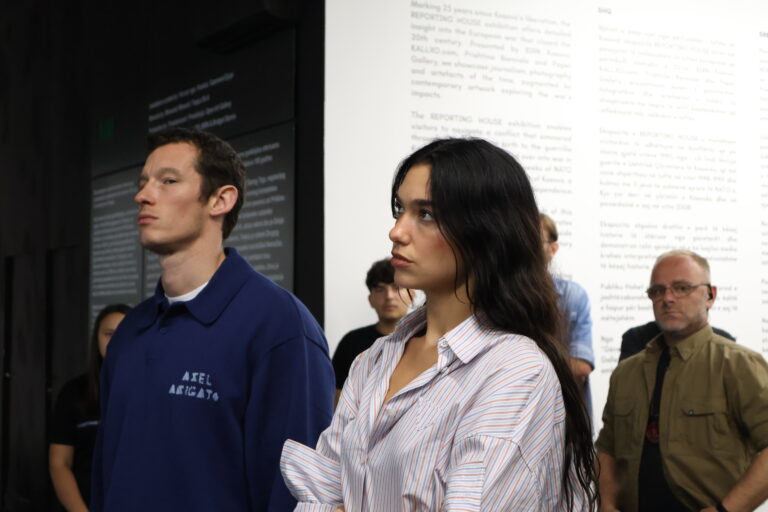
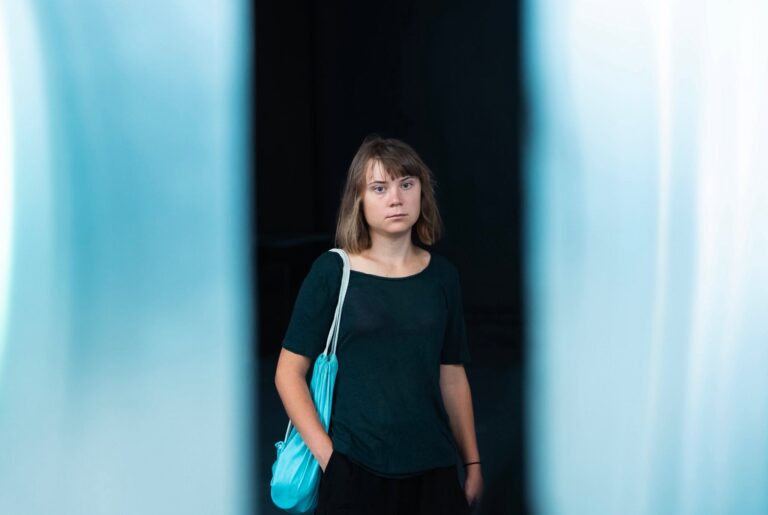
A wide range of public figures from Kosovo, Albania and abroad have visited Reporting House, some returning more than once and bringing family members, friends and others interested in Kosovo’s modern history.
Originally conceived as a three-month exhibition, Reporting House has since developed into one of Kosovo’s most prominent platforms for exploring collective memory, journalism and contemporary art, according to artist and curator Gazmend Ejupi, who has been closely involved in its development.
Ejupi says the project’s impact has exceeded its initial expectations and that it has acquired a significant public role.
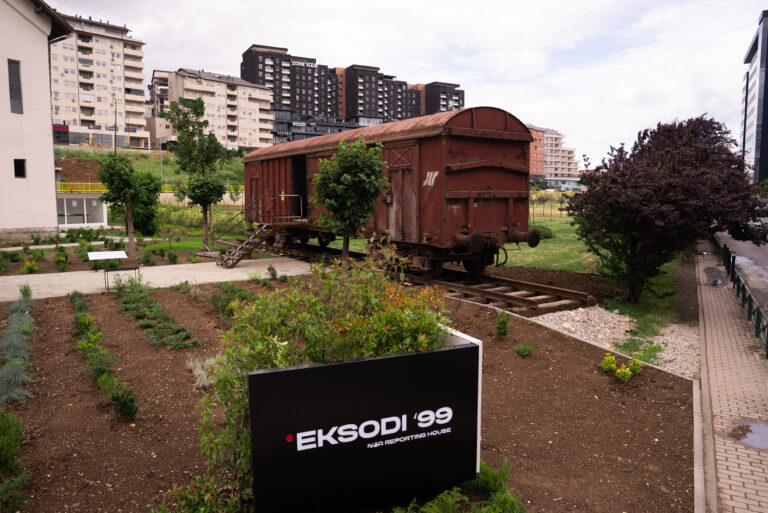
He expects its relevance to deepen further during 2026, as Reporting House becomes connected with the BLLACA 99 – Exodus project, a combination intended to open new spaces for reflection on Kosovo’s recent past.
Ejupi also emphasises that one of the project’s central pillars remains the relationship between journalistic material, documentary archives and contemporary art.
It is this combination, he says, that makes Reporting House distinctive: journalism is presented not only as historical documentation, but transformed into a visual, emotional and critical experience for the public.
“The fact that we are now part of a broader European museum context demonstrates that Reporting House has succeeded in creating a distinctive model for presenting history, memory and testimony through the combination of journalism, archives and contemporary art,” Ejupi told KALLXO.com.